
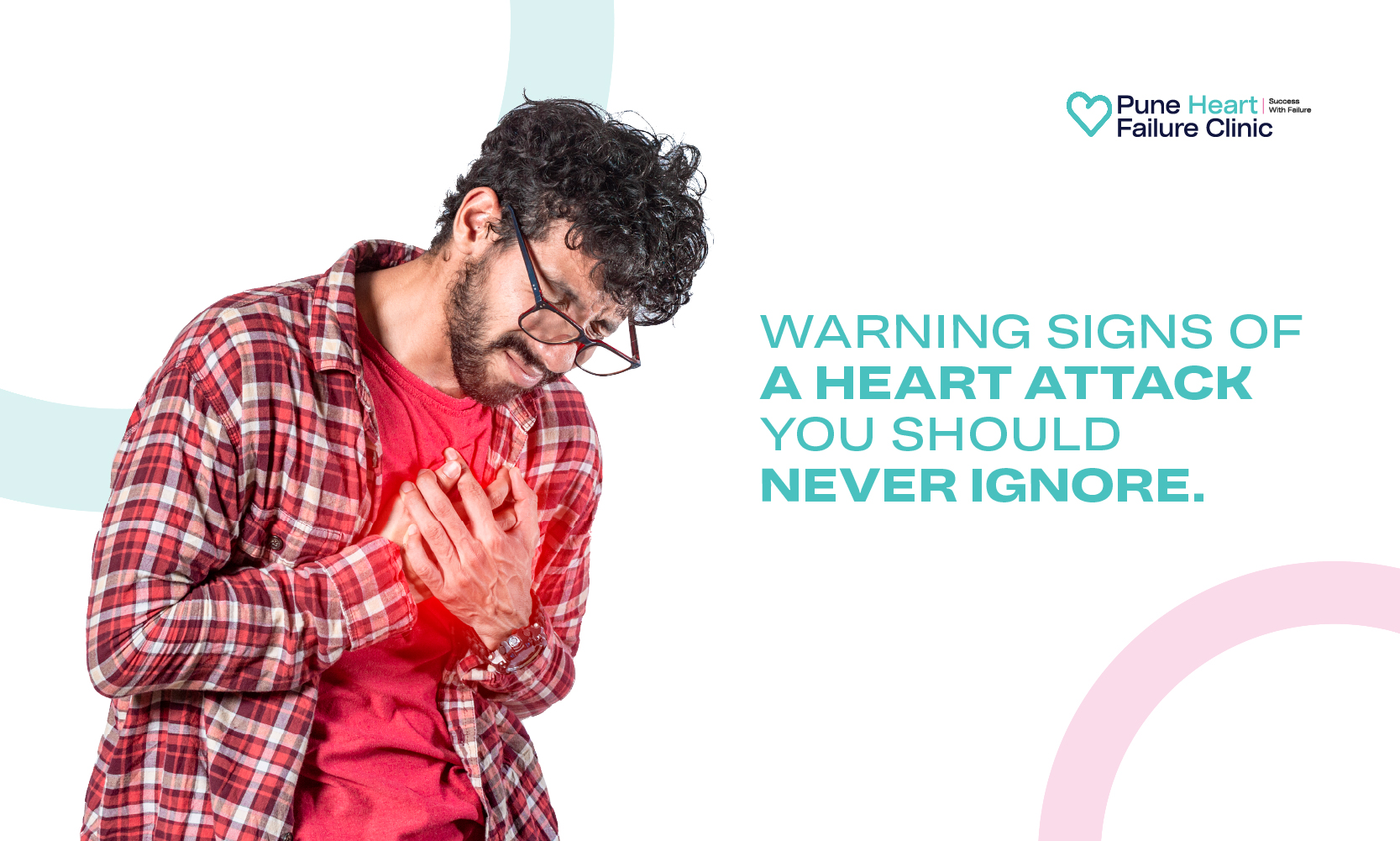
People generally think of heart attacks as quick and dramatic, but in many situations, the body starts to warn them long before they happen. People sometimes overlook these early signs for common problems like acidity, tiredness, or stress because they are typically quite small. The best cardiologist in Pune says that spotting these warning signals early and acting quickly can greatly lower the amount of damage to the heart and improve the chances of survival.
One of the hardest things about taking care of your heart is waiting too long to notice signs and get medical help. A lot of people overlook or downplay early signals, thinking they will go away on their own. It could save your life to recognize these warning signs and when to see a cardiac specialist in Pune.
Chest Pain or Discomfort
- One of the most prevalent indicators that you might have a heart attack is pain in your chest.
- Instead of severe pain, it could feel like pressure, tightness, squeezing, or heaviness.
- The pain can continue for a few minutes or come and go.
- Some people have modest chest pain that is simple to ignore.
- You should never disregard pain when you’re working out or feeling stressed.
Chest pain doesn’t always show up in a big way. Even minor or persistent pain should be looked at by a doctor right away, especially if it is new or getting worse.
Pain Radiating to Other Parts of the Body
Pain that starts from the heart typically spreads to other parts of the body. Many people experience pain that radiates to their left arm, shoulder, neck, jaw, or upper back. This happens because the heart and these areas exchange nerve pathways, which makes the pain feel like it’s coming from somewhere else.
If you have jaw discomfort, neck stiffness, or back pain, and especially if you also have chest pain or difficulties breathing, you should be worried that it could be a heart condition. A heart doctor in Pune sees a lot of patients who felt their symptoms were caused by muscle strain or dental problems at first, which made them wait too long to obtain help.
Shortness of Breath
- You may feel short of breath with or without chest pain.
- It can happen when you’re resting or doing very little.
- Some people feel like they can’t take a deep breath.
- It’s especially worrying when your breathlessness gets worse when you lie flat.
- It could mean that the heart isn’t pumping as well as it used to.
Shortness of breath is a very important indication, especially for elderly people, people with diabetes, and people who already have cardiac problems. A cardiac specialist in Pune should assess this symptom.
Unusual Fatigue and Weakness
One of the most common indicators of a heart attack that people ignore is constant or unexplained tiredness. A lot of folks think it’s because of stress, working too many hours, or not getting enough sleep. But if you suddenly feel tired or tiredness that seems out of proportion to how much you’ve been doing, it could mean that your heart isn’t pumping blood properly.
Women and elderly persons are more likely to report this symptom. The Best Cardiologist in Pune says that you should never dismiss weariness that makes it hard to do everyday things or is accompanied by shortness of breath or dizziness.
Dizziness, Lightheadedness, or Fainting
- If you suddenly feel dizzy, it could be that your blood pressure has dropped or your heart is beating too fast.
- You can feel nauseous or sweaty while you’re lightheaded.
- Fainting or almost fainting is a very bad indicator.
- These signs point to less blood supply to the brain.
- If you faint, you need to see a doctor right away.
If you faint, you need to see a doctor right away. These kinds of symptoms need to be looked at right away by a heart doctor, especially if they come with chest pain or heart palpitations.
Nausea, Vomiting, or Indigestion-Like Symptoms
- You can feel sick or throw up for no reason related to what you eat.
- People often think that discomfort that seems like indigestion is acidity.
- There may be pain or discomfort in the stomach.
- These signs happen more often in older people and women.
Persistent or unexplained digestive issues necessitate cardiac investigation. Many people who have heart attacks first go to the doctor for stomach problems. When stomach issues happen with other warning signals, you need to rule out heart problems by consulting a cardiologist in Pune.
Cold Sweats and Excessive Perspiration
A classic but often ignored warning indication is sudden sweating without any physical activity. Even in cool places, you could notice cold, clammy skin. This is frequently the body’s way of responding to heart problems.
This kind of perspiration is commonly linked to worry, chest pain, or trouble breathing. A heart doctor in Pune would tell you to get medical help right away if you start sweating for no reason and have other heart problems.
Irregular Heartbeat or Palpitations
- A heart that beats too fast, too hard, or in an irregular way can mean that it is in trouble.
- Palpitations can feel like your heart is fluttering or skipping beats.
- The heart doesn’t pump as well when its beats are off.
- It’s not good when you have palpitations and dizziness or chest pain at the same time.
- Rhythm problems can cause heart attacks and also happen as a result of them.
Changes in heart rhythm should always be looked into, especially if they are new or getting worse, by a cardiac specialist in Pune.
Symptoms Can Differ in Women and Older Adults
- Women may feel tired, sick, have pain in their jaws or back, or not have chest pain.
- Older persons may show signs of disorientation, weakness, or shortness of breath.
- Diabetic individuals may experience diminished pain due to nerve involvement.
- Unusual symptoms often make it harder to get a diagnosis.
- To get the right care on time, you need to know about these differences.
To get the right care on time, you need to know about these differences. Knowing that heart attack symptoms aren’t always “classic” can help avoid dangerous delays in getting care from a cardiologist.
Conclusion
Chest pain, shortness of breath, fatigue, confusion, unexplained discomfort, or excessive sweating are all indications that there may be an underlying health issue. Promptly recognizing these indicators and initiating appropriate treatment with the help of a cardiologist can alter the outcome and reduce the likelihood of enduring cardiac injury.
Neglecting symptoms or delaying treatment may result in severe and potentially catastrophic outcomes. To preserve cardiovascular health, it is vital to regularly undergo examinations, seek prompt medical intervention when required, and receive guidance on preventive measures against potential problems from a trusted heart doctor.